
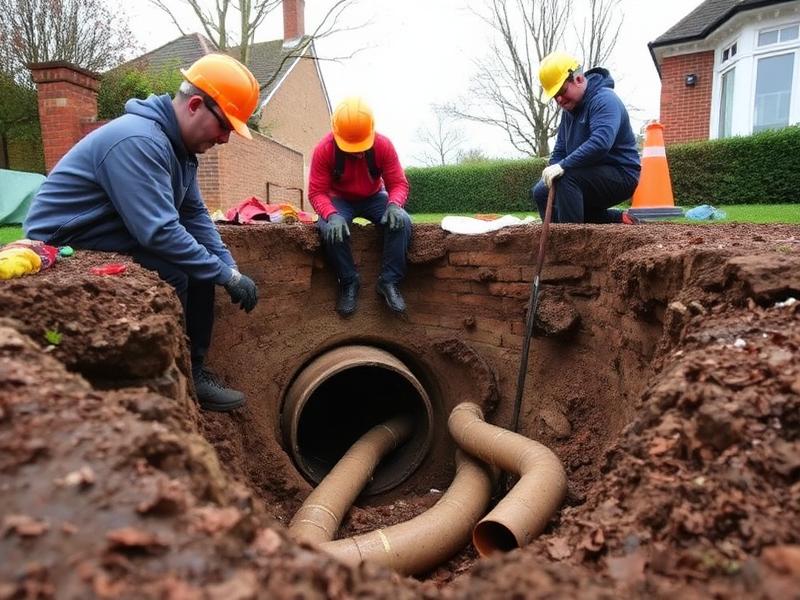
How to Prevent Root Damage to Drains
Preventing tree root damage to drains is far cheaper than repairing it. While you can't always control what trees grow near your pipes, understanding which species are most dangerous, where drains run, and what preventative measures are available can save you thousands in future repair bills.
How to Prevent Root Damage to Drains usually becomes urgent when recurring symptoms begin affecting programme confidence, compliance, or delivery reliability.
review CCTV Drain Survey in Ilford and Drain Relining in Kingston.
Situations where this applies
Teams usually investigate how to prevent root damage to drains when early warning signs start affecting reliability, compliance, or project timelines. This is often the point where decision makers move from observation into scoped technical action.
What often triggers action
The symptoms below are the most common triggers we see before diagnosis and repair planning.
- Know where your drain pipes run — get a drainage plan
- Avoid planting water-hungry species within 5m of drain runs
- Willows, poplars, oaks and ash trees are highest risk
- Root barriers can protect vulnerable pipe sections
- Regular CCTV surveys catch early root ingress before damage escalates
What the work typically involves
A CCTV survey shows whether roots have already started entering your pipes. Early-stage root ingress at pipe joints is easily treated — the roots are small and can be removed with jetting before they cause structural damage.
Think you might have how to prevent root damage to drains? A professional inspection will confirm the diagnosis.
How this gets resolved
We remove existing roots with mechanical cutting and jetting, then reline the pipe to seal all joints permanently. For new drain installations near trees, we use root-resistant pipes with welded or sealed joints. We can also install root barrier membranes along vulnerable pipe runs.
What drives programme and budget
Cost and complexity usually depend on access constraints, total scope, existing condition, and whether related works need to be coordinated in the same programme window.
How delivery is structured
We keep delivery structured so scope, sequencing, and sign-off remain clear.
Step 1: Initial assessment
What this step delivers: Root cause and scope are confirmed.
Step 2: Method planning
What this step delivers: Practical repair strategy is agreed.
Step 3: Delivery and verification
What this step delivers: Work is completed and validated.
How This Issue Is Normally Diagnosed and Repaired
Follow the typical path from problem identification through to resolution:
We provide these services across the UK, including
Get a Free Quote
Contact us for a no-obligation quote or to discuss your project. We'll advise on the best approach and provide clear pricing.
Worried about tree roots damaging your drains? Proactive protection costs less than repair.
Related Services
Related Topics
Related Drain Guides
How to Prevent Root Damage to Drains FAQ
What are the signs of how to prevent root damage to drains?
Know where your drain pipes run — get a drainage plan. Avoid planting water-hungry species within 5m of drain runs. Willows, poplars, oaks and ash trees are highest risk.
How do you diagnose how to prevent root damage to drains?
A CCTV survey shows whether roots have already started entering your pipes. Early-stage root ingress at pipe joints is easily treated — the roots are small and can be removed with jetting before they ...
How do you fix how to prevent root damage to drains?
We remove existing roots with mechanical cutting and jetting, then reline the pipe to seal all joints permanently. For new drain installations near trees, we use root-resistant pipes with welded or se...
Need project guidance?
Share your site details and priorities. We will outline a practical scope, likely timeline, and next steps.