
Slow Draining Sinks
A slow-draining sink is one of the most common early signs of a developing drainage problem. While a single slow sink might be a local blockage in the trap or waste pipe, multiple slow sinks suggest a deeper issue in your underground drainage system that needs professional investigation.
Slow Draining Sinks usually becomes urgent when recurring symptoms begin affecting programme confidence, compliance, or delivery reliability.
review Drain Jetting in Dartford and CCTV Drain Survey in Ilford.
When you might need this
Teams usually investigate slow draining sinks when early warning signs start affecting reliability, compliance, or project timelines. This is often the point where decision makers move from observation into scoped technical action.
Signs and common situations
The symptoms below are the most common triggers we see before diagnosis and repair planning.
- Water pooling in the kitchen sink during washing up
- Bathroom basin taking minutes to empty
- Water draining slower than it used to
- Gurgling sounds when water finally drains
- Multiple sinks draining slowly at the same time
What to expect from the work
We first check the trap and waste pipe for local blockages, then use CCTV drain surveys to inspect the underground pipework. Common causes include partial pipe collapses, tree root ingress, fat and grease buildup, or incorrect pipe gradients creating low points where water pools.
Think you might have slow draining sinks? A professional inspection will confirm the diagnosis.
How we approach the fix
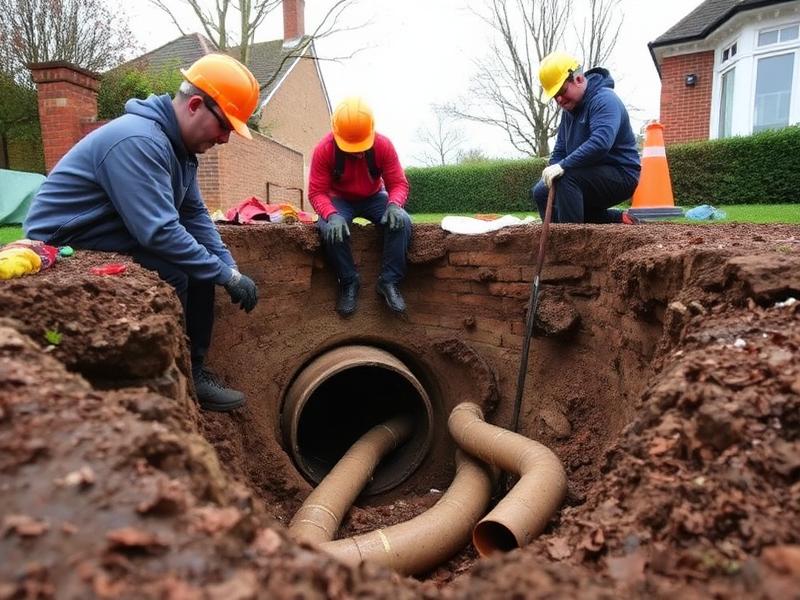
Local blockages are cleared quickly with rodding or jetting. For underground causes, we use high-pressure jetting to clear buildup, relining to repair cracked or root-damaged pipes, or excavation for collapsed sections. We fix the root cause so your sinks drain properly long-term.
Cost and complexity factors
Cost and complexity usually depend on access constraints, total scope, existing condition, and whether related works need to be coordinated in the same programme window.
What the process looks like
We keep delivery structured so scope, sequencing, and sign-off remain clear.
Step 1: Initial assessment
What this step delivers: Root cause and scope are confirmed.
Step 2: Method planning
What this step delivers: Practical repair strategy is agreed.
Step 3: Delivery and verification
What this step delivers: Work is completed and validated.
How This Issue Is Normally Diagnosed and Repaired
Follow the typical path from problem identification through to resolution:
We provide these services across the UK, including
Get a Free Quote
Contact us for a no-obligation quote or to discuss your project. We'll advise on the best approach and provide clear pricing.
Sinks draining slowly? Book a drainage inspection to find out why.
Related Services
Related Topics
Related Drain Guides
Slow Draining Sinks FAQ
What are the signs of slow draining sinks?
Water pooling in the kitchen sink during washing up. Bathroom basin taking minutes to empty. Water draining slower than it used to.
How do you diagnose slow draining sinks?
We first check the trap and waste pipe for local blockages, then use CCTV drain surveys to inspect the underground pipework. Common causes include partial pipe collapses, tree root ingress, fat and gr...
How do you fix slow draining sinks?
Local blockages are cleared quickly with rodding or jetting. For underground causes, we use high-pressure jetting to clear buildup, relining to repair cracked or root-damaged pipes, or excavation for ...
Need project guidance?
Share your site details and priorities. We will outline a practical scope, likely timeline, and next steps.