
Causes of Drain Damage
What damages drains and how to protect your property's drainage system.
This hub helps you evaluate causes of drain damage decisions with practical guidance before moving into live project delivery.
Start with the featured guides below to understand when each route is appropriate, what affects scope and cost, and which service path is likely to fit your site or project stage.
When you need delivery rather than reading alone, start from the Drain Collapse Repair service overview and then return here for planning detail.
For local examples, review Drain Collapse Repair in Sheffield, CCTV Drain Surveys in Braintree and Drain Excavation in Glasgow.
Need help with causes of drain damage?
If you need direct advice on your situation, speak to our team and we will help you choose the right service.
Tree Roots in Drains
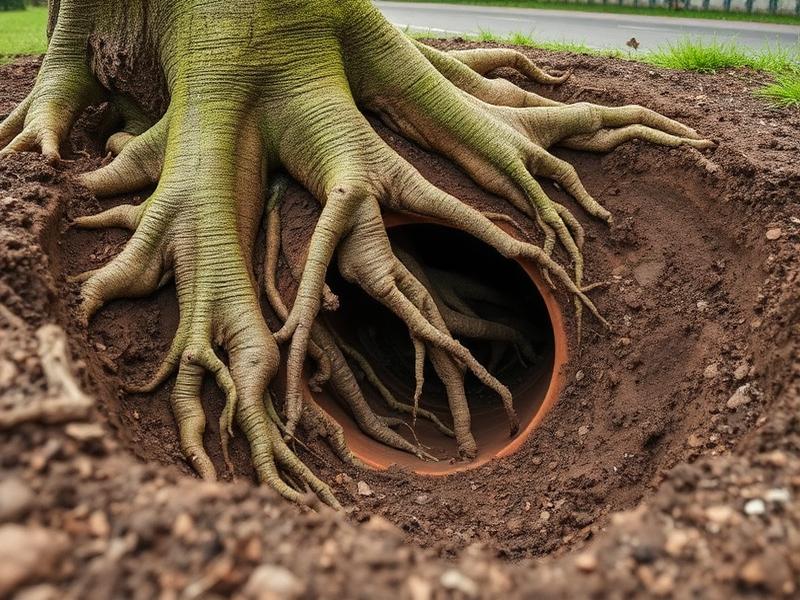
Tree roots are one of the most common causes of drain damage in the UK. Roots naturally seek out moisture and nutrients, and the joints and cracks in older drain pipes provide the perfect entry point. Once inside, roots grow rapidly, blocking the pipe and eventually causing it to collapse.
Read MoreGround Movement Damaging Pipes
Ground movement — whether from clay soil shrinkage, subsidence, heavy traffic, or nearby construction — puts enormous stress on underground drain pipes. Rigid clay and concrete pipes are particularly vulnerable, cracking and displacing at joints under ground pressure.
Read MoreOld Clay Drain Pipes
Many London properties still rely on the original Victorian clay drain pipes installed 80–150 years ago. While clay is durable, these old pipes have vulnerabilities — mortar joints that crack and separate, walls that erode over time, and a brittle nature that doesn't tolerate ground movement.
Read MoreMore related topics
Use these supporting guides to compare options, reduce project risk, and refine your next step.
Building Work Damaging Drains
Building work — from extensions and loft conversions to landscaping and driveway installations — is a common cause of drain damage. Heavy machinery, excavation near pipe runs, and increased load from new structures can crack, crush, or displace underground pipes.
Read MoreSymptom Guides
Explore these related guides to compare scenarios and pick the most relevant path.
Signs of a Collapsed Drain
A collapsed drain can go undetected for weeks or even months, causing increasing damage to your property. Knowing the warning signs helps you act quickly and avoid costly repairs. Here's what to look for and when to call a drainage engineer.
Bad Smells Coming From Drains
Persistent bad smells from drains are more than just unpleasant — they can indicate a serious problem with your drainage system. From broken seals to collapsed pipes, understanding the cause is the first step to fixing it.
Slow Draining Sinks and Toilets
Slow-draining fixtures are one of the earliest signs of a developing drainage problem. While sometimes caused by a simple local blockage, persistent slow drainage often points to a deeper issue in your underground pipework.
Repair Methods
Explore these related guides to compare scenarios and pick the most relevant path.
Drain Relining vs Excavation
When a drain needs repairing, the two main options are no-dig relining and traditional excavation. Both are effective, but they suit different situations. Understanding the pros and cons of each helps you make an informed decision — and potentially save thousands.
How Drain Relining Works
Drain relining creates a brand-new pipe inside your existing damaged drain without any digging. A resin-saturated felt liner is inserted into the pipe, inflated against the pipe walls, and cured to form a seamless, jointless new pipe. Here's exactly how the process works.
How Long Do Drain Repairs Take?
The duration of a drain repair depends on the method used, the extent of damage, and the accessibility of the pipe. Here's a realistic guide to how long different types of drain repair take, so you can plan accordingly.
Inspection Guides
Explore these related guides to compare scenarios and pick the most relevant path.
Drain Inspection
A professional drain inspection is the first step in understanding the condition of your drainage system. Whether you're investigating a problem, buying a property, or planning building work, our engineers provide thorough, detailed inspections.
CCTV Drain Inspection
CCTV drain inspection is the gold standard for diagnosing drainage problems. Our high-definition cameras travel through your pipes, providing real-time footage that reveals the exact condition of your drainage system without any need for excavation.
Drain Condition Reports
A drain condition report is a formal document detailing the state of a property's drainage system. Based on a comprehensive CCTV survey, it's used for property transactions, insurance claims, building regulation compliance, and maintenance planning.
Drain Inspection
A professional drain inspection is the first step in understanding the condition of your drainage system. Whether you're investigating a problem, buying a property, or planning building work, our engineers provide thorough, detailed inspections.
CCTV Drain Inspection
CCTV drain inspection is the gold standard for diagnosing drainage problems. Our high-definition cameras travel through your pipes, providing real-time footage that reveals the exact condition of your drainage system without any need for excavation.
Drain Condition Reports
A drain condition report is a formal document detailing the state of a property's drainage system. Based on a comprehensive CCTV survey, it's used for property transactions, insurance claims, building regulation compliance, and maintenance planning.
Cost Guides
Explore these related guides to compare scenarios and pick the most relevant path.
Drain Repair Cost
Drain repair costs in the UK depend on the type of damage, the repair method required, and the depth and accessibility of the pipe. Here's a realistic guide to what you can expect to pay for the most common drainage repairs.
Collapsed Drain Repair Cost
Collapsed drain repair is one of the more expensive drainage fixes, as it often involves excavation. However, costs vary hugely depending on the depth of the pipe, what surface it's under, and whether no-dig methods can be used.
CCTV Drain Survey Cost
A CCTV drain survey is one of the most valuable investments you can make in your property's drainage. It reveals the true condition of your pipes without any digging. Here's what you can expect to pay.
Featured guides
These pillar guides give broader context and are useful if you are still deciding the right route.
Related Services
If you need practical help rather than guidance alone, these services are the most relevant next step.
Need project guidance?
Share your site details and priorities. We will outline a practical scope, likely timeline, and next steps.