
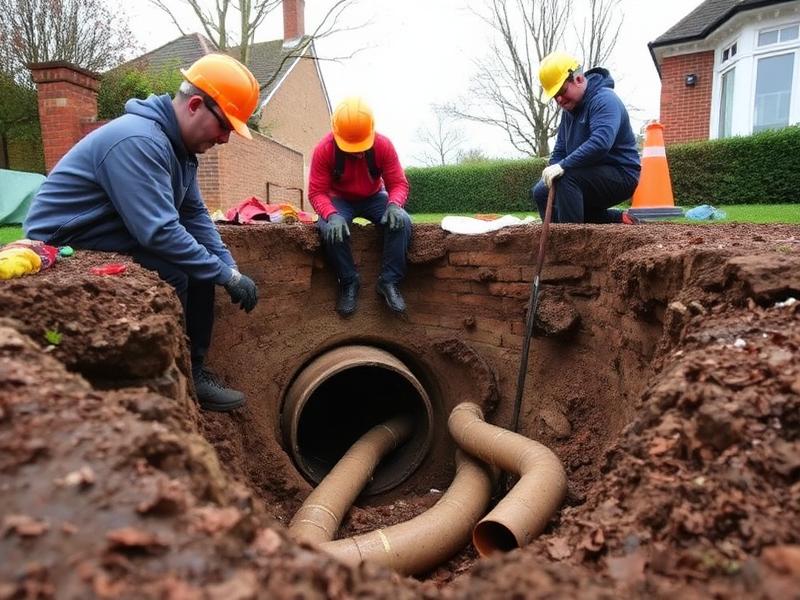
Who Owns the Drains on My Property?
Drain ownership in the UK determines who is responsible for maintenance and repairs — and getting it wrong can mean paying for work that someone else should cover. The rules changed significantly in 2011 when most shared drains were transferred to water company ownership, but many homeowners are still unclear about which pipes they own.
The commercial value of resolving who owns the drains on my property? early is fewer delays, clearer budgeting, and reduced repeat disruption.
review CCTV Drain Survey in Ilford and Drain Collapse Repair in Nottingham.
Situations where this applies
Teams usually investigate who owns the drains on my property? when early warning signs start affecting reliability, compliance, or project timelines. This is often the point where decision makers move from observation into scoped technical action.
What often triggers action
The symptoms below are the most common triggers we see before diagnosis and repair planning.
- Private drains: serve only your property and are within your boundary — YOUR responsibility
- Lateral drains: connect your property to the public sewer — WATER COMPANY since 2011
- Shared drains: serve 2+ properties — WATER COMPANY since 2011 (pre-existing)
- Public sewers: serve the wider area — always WATER COMPANY
- Highway drains: under public roads — LOCAL COUNCIL responsibility
What the work typically involves
We conduct a CCTV survey with drain tracing to map your entire drainage system, clearly showing which pipes serve only your property (private — your responsibility) and which are shared or connect to the public sewer (usually water company). We cross-reference with official sewer maps.
Think you might have who owns the drains on my property?? A professional inspection will confirm the diagnosis.
How we approach the fix
Our annotated drainage plan clearly marks ownership for every pipe section. If the problem is in a water company drain, we help you report it with CCTV evidence. If it's in your private drain, we provide repair options and quotes.
What drives programme and budget
Cost and complexity usually depend on access constraints, total scope, existing condition, and whether related works need to be coordinated in the same programme window.
What the process looks like
We keep delivery structured so scope, sequencing, and sign-off remain clear.
Step 1: Initial assessment
What this step delivers: Root cause and scope are confirmed.
Step 2: Method planning
What this step delivers: Practical repair strategy is agreed.
Step 3: Delivery and verification
What this step delivers: Work is completed and validated.
How This Issue Is Normally Diagnosed and Repaired
Follow the typical path from problem identification through to resolution:
We provide these services across the UK, including
Get a Free Quote
Contact us for a no-obligation quote or to discuss your project. We'll advise on the best approach and provide clear pricing.
Not sure who owns your drains? Let us survey and clarify ownership for you.
Related Services
Related Topics
Related Drain Guides
Who Owns the Drains on My Property? FAQ
What are the signs of who owns the drains on my property??
Private drains: serve only your property and are within your boundary — YOUR responsibility. Lateral drains: connect your property to the public sewer — WATER COMPANY since 2011. Shared drains: serve 2+ properties — WATER COMPANY since 2011 (pre-existing).
How do you diagnose who owns the drains on my property??
We conduct a CCTV survey with drain tracing to map your entire drainage system, clearly showing which pipes serve only your property (private — your responsibility) and which are shared or connect to ...
How do you fix who owns the drains on my property??
Our annotated drainage plan clearly marks ownership for every pipe section. If the problem is in a water company drain, we help you report it with CCTV evidence. If it's in your private drain, we prov...
Need project guidance?
Share your site details and priorities. We will outline a practical scope, likely timeline, and next steps.