
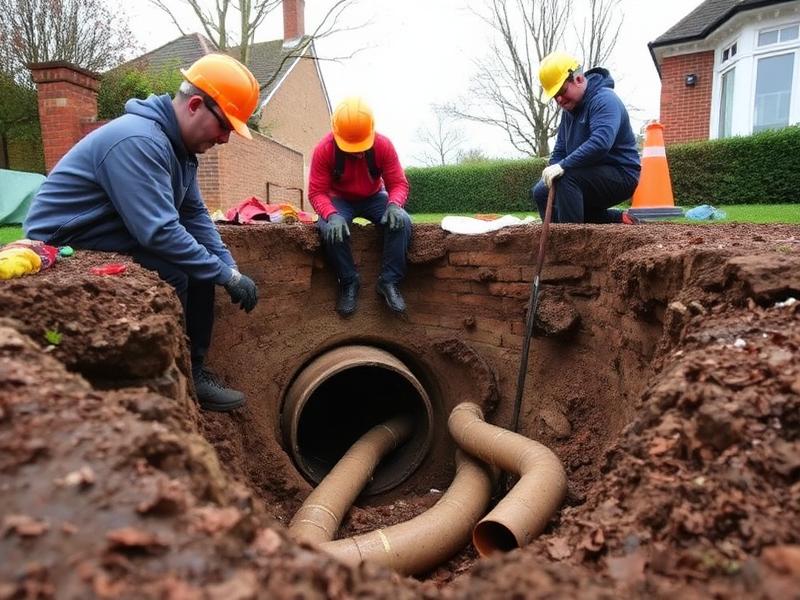
What Size Are House Drains?
House drains in the UK use standard pipe sizes that have remained relatively consistent for decades. Understanding what size your drains are helps when planning repairs, assessing whether pipes are undersized, and determining which repair methods are suitable. Most residential properties use 100mm (4-inch) or 150mm (6-inch) pipes for their main underground drainage.
Most teams review what size are house drains? when live project risk needs turning into a clear technical decision with practical next steps.
review CCTV Drain Survey in Ilford and Drain Pipe Replacement in Aberdeen.
When you might need this
Teams usually investigate what size are house drains? when early warning signs start affecting reliability, compliance, or project timelines. This is often the point where decision makers move from observation into scoped technical action.
Common warning signs
The symptoms below are the most common triggers we see before diagnosis and repair planning.
- Internal waste pipes: 32mm (basins), 40mm (baths/showers), 110mm (toilets)
- Underground foul drains: typically 100mm (4 inch)
- Shared or main drain runs: 150mm (6 inch)
- Surface water drains: 100mm or 150mm depending on catchment area
- Older clay pipes may be imperial sizes (4 inch, 6 inch)
What to expect from the work
CCTV surveys accurately measure pipe diameter as the camera travels through. We identify pipe material (clay, concrete, plastic, cast iron) and flag any sections that are undersized for current building regulation requirements.
Think you might have what size are house drains?? A professional inspection will confirm the diagnosis.
How we approach the fix
If your pipes are undersized (rare in main drains but common in secondary runs), we can upsize during excavation repairs. Relining slightly reduces internal diameter (by about 6mm) but this rarely causes flow issues in standard 100mm+ pipes.
Cost and complexity factors
Cost and complexity usually depend on access constraints, total scope, existing condition, and whether related works need to be coordinated in the same programme window.
What the process looks like
We keep delivery structured so scope, sequencing, and sign-off remain clear.
Step 1: Initial assessment
What this step delivers: Root cause and scope are confirmed.
Step 2: Method planning
What this step delivers: Practical repair strategy is agreed.
Step 3: Delivery and verification
What this step delivers: Work is completed and validated.
How This Issue Is Normally Diagnosed and Repaired
Follow the typical path from problem identification through to resolution:
We provide these services across the UK, including
Get a Free Quote
Contact us for a no-obligation quote or to discuss your project. We'll advise on the best approach and provide clear pricing.
Need to know your drain sizes? A CCTV survey identifies pipe diameters and materials.
Related Services
Related Topics
Related Drain Guides
What Size Are House Drains? FAQ
What are the signs of what size are house drains??
Internal waste pipes: 32mm (basins), 40mm (baths/showers), 110mm (toilets). Underground foul drains: typically 100mm (4 inch). Shared or main drain runs: 150mm (6 inch).
How do you diagnose what size are house drains??
CCTV surveys accurately measure pipe diameter as the camera travels through. We identify pipe material (clay, concrete, plastic, cast iron) and flag any sections that are undersized for current buildi...
How do you fix what size are house drains??
If your pipes are undersized (rare in main drains but common in secondary runs), we can upsize during excavation repairs. Relining slightly reduces internal diameter (by about 6mm) but this rarely cau...
Need project guidance?
Share your site details and priorities. We will outline a practical scope, likely timeline, and next steps.