
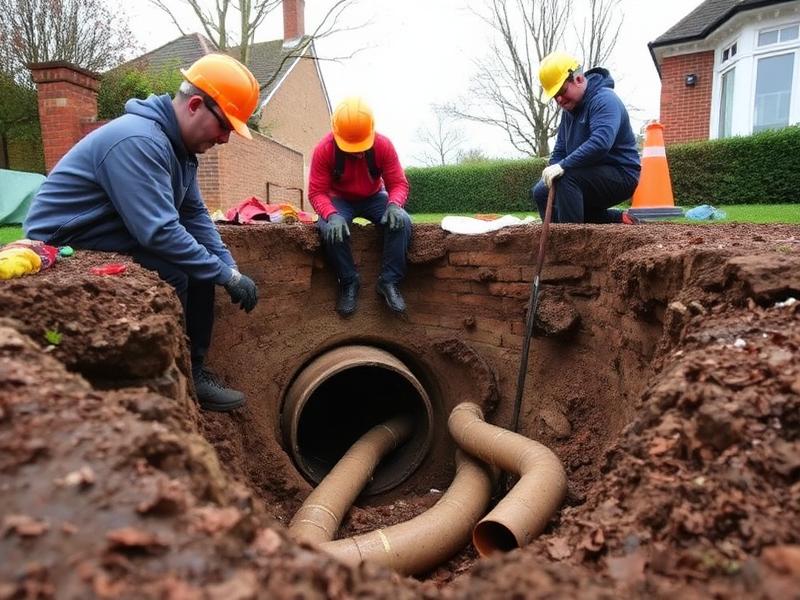
What Is Drain Relining?
Drain relining is a trenchless (no-dig) repair method that creates a new pipe inside your existing damaged drain. A resin-impregnated felt liner is inserted into the pipe, inflated against the pipe walls, and cured in place to form a seamless, jointless new pipe. It's faster, cheaper, and less disruptive than traditional excavation for most types of drain damage.
The commercial value of resolving what is drain relining? early is fewer delays, clearer budgeting, and reduced repeat disruption.
review CCTV Drain Survey in Ilford and CCTV Drain Surveys in Cardiff.
Situations where this applies
Teams usually investigate what is drain relining? when early warning signs start affecting reliability, compliance, or project timelines. This is often the point where decision makers move from observation into scoped technical action.
What often triggers action
The symptoms below are the most common triggers we see before diagnosis and repair planning.
- No digging or excavation required
- Repairs cracks, fractures, displaced joints and root damage
- Creates a seamless pipe with no joints for roots to enter
- Completed in hours rather than days
- 50+ year design life with manufacturer guarantees
What the work typically involves
A CCTV survey determines whether your pipe is suitable for relining. The pipe must retain enough of its circular shape (less than 10% ovality), and there must be access points for the liner equipment. Most residential pipes 100mm–300mm diameter are suitable.
Think you might have what is drain relining?? A professional inspection will confirm the diagnosis.
Practical steps to a reliable outcome
The process involves cleaning the pipe with jetting, preparing and inserting the resin liner, inflating it against the pipe walls, curing it with UV light or ambient temperature, and verifying the result with a final CCTV survey. The entire process is typically completed in one day.
What drives programme and budget
Cost and complexity usually depend on access constraints, total scope, existing condition, and whether related works need to be coordinated in the same programme window.
What the process looks like
We keep delivery structured so scope, sequencing, and sign-off remain clear.
Step 1: Initial assessment
What this step delivers: Root cause and scope are confirmed.
Step 2: Method planning
What this step delivers: Practical repair strategy is agreed.
Step 3: Delivery and verification
What this step delivers: Work is completed and validated.
How This Issue Is Normally Diagnosed and Repaired
Follow the typical path from problem identification through to resolution:
We provide these services across the UK, including
Get a Free Quote
Contact us for a no-obligation quote or to discuss your project. We'll advise on the best approach and provide clear pricing.
Interested in no-dig drain repair? Book a CCTV survey to check if relining is suitable.
Related Services
Related Topics
Related Drain Guides
What Is Drain Relining? FAQ
What are the signs of what is drain relining??
No digging or excavation required. Repairs cracks, fractures, displaced joints and root damage. Creates a seamless pipe with no joints for roots to enter.
How do you diagnose what is drain relining??
A CCTV survey determines whether your pipe is suitable for relining. The pipe must retain enough of its circular shape (less than 10% ovality), and there must be access points for the liner equipment....
How do you fix what is drain relining??
The process involves cleaning the pipe with jetting, preparing and inserting the resin liner, inflating it against the pipe walls, curing it with UV light or ambient temperature, and verifying the res...
Need project guidance?
Share your site details and priorities. We will outline a practical scope, likely timeline, and next steps.