
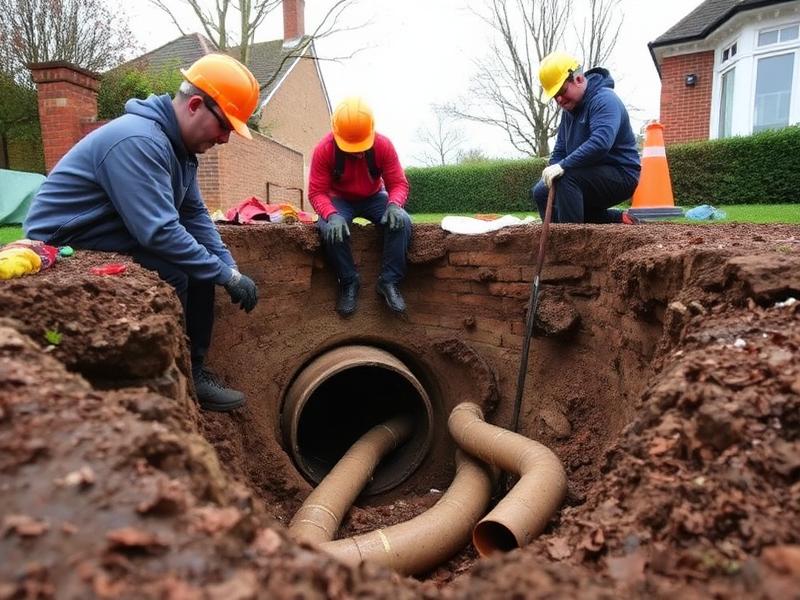
How Do Septic Tanks Work?
A septic tank is a private sewage treatment system used by properties that aren't connected to the public mains sewer. The tank separates solid waste from liquid, allows natural bacterial breakdown of organic matter, and discharges treated effluent into a soakaway or drainage field. Regular maintenance is essential to keep the system working efficiently and legally compliant.
How Do Septic Tanks Work? usually becomes urgent when recurring symptoms begin affecting programme confidence, compliance, or delivery reliability.
review Drain Excavation in Ealing and CCTV Drain Survey in Ilford.
When you might need this
Teams usually investigate how do septic tanks work? when early warning signs start affecting reliability, compliance, or project timelines. This is often the point where decision makers move from observation into scoped technical action.
Signs and common situations
The symptoms below are the most common triggers we see before diagnosis and repair planning.
- Wastewater enters the tank and heavy solids settle to the bottom
- Lighter materials float to form a scum layer on top
- Bacteria naturally break down organic matter in the tank
- Partially treated liquid flows out to a soakaway or drainage field
- The tank needs emptying every 6–12 months to remove accumulated sludge
What to expect from the work
We inspect septic tank condition, check inlet and outlet pipes, assess the soakaway or drainage field performance, and test effluent quality. We identify whether the system meets current environmental regulations and recommend upgrades where needed.
Think you might have how do septic tanks work?? A professional inspection will confirm the diagnosis.
How this gets resolved
We provide septic tank emptying, repairs to damaged tanks and pipework, soakaway replacement, and upgrades to treatment plants where general binding rules require higher treatment standards. We help rural property owners maintain compliant private drainage.
Cost and complexity factors
Cost and complexity usually depend on access constraints, total scope, existing condition, and whether related works need to be coordinated in the same programme window.
What the process looks like
We keep delivery structured so scope, sequencing, and sign-off remain clear.
Step 1: Initial assessment
What this step delivers: Root cause and scope are confirmed.
Step 2: Method planning
What this step delivers: Practical repair strategy is agreed.
Step 3: Delivery and verification
What this step delivers: Work is completed and validated.
How This Issue Is Normally Diagnosed and Repaired
Follow the typical path from problem identification through to resolution:
We provide these services across the UK, including
Get a Free Quote
Contact us for a no-obligation quote or to discuss your project. We'll advise on the best approach and provide clear pricing.
Septic tank problems? We inspect, empty, repair and upgrade private drainage systems.
Related Services
Related Topics
Related Drain Guides
How Do Septic Tanks Work? FAQ
What are the signs of how do septic tanks work??
Wastewater enters the tank and heavy solids settle to the bottom. Lighter materials float to form a scum layer on top. Bacteria naturally break down organic matter in the tank.
How do you diagnose how do septic tanks work??
We inspect septic tank condition, check inlet and outlet pipes, assess the soakaway or drainage field performance, and test effluent quality. We identify whether the system meets current environmental...
How do you fix how do septic tanks work??
We provide septic tank emptying, repairs to damaged tanks and pipework, soakaway replacement, and upgrades to treatment plants where general binding rules require higher treatment standards. We help r...
Need project guidance?
Share your site details and priorities. We will outline a practical scope, likely timeline, and next steps.