
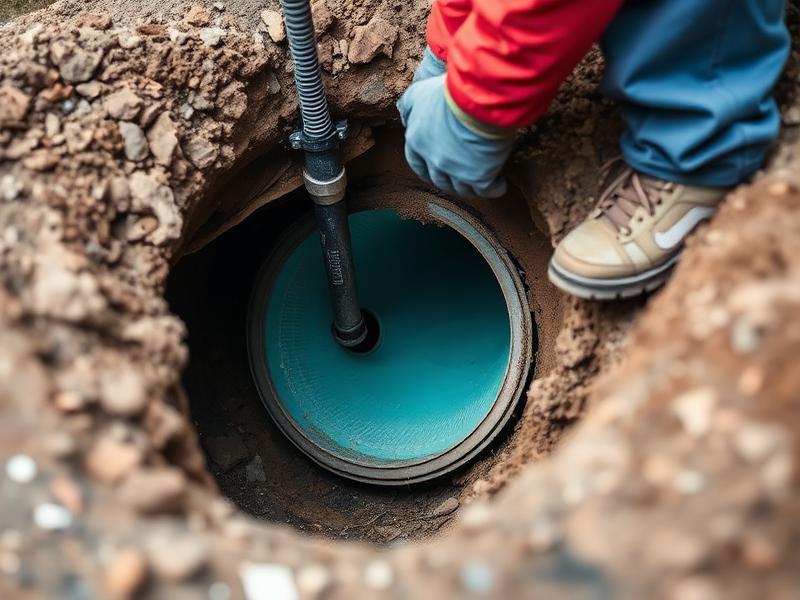
Patch Repair vs Relining
When a CCTV survey reveals damage to your drain, two no-dig options are often available: a targeted patch repair or a full-length reline. Both avoid excavation, but they suit different situations and budgets. Understanding the differences helps you make the right choice.
Patch Repair vs Relining usually becomes urgent when recurring symptoms begin affecting programme confidence, compliance, or delivery reliability.
review CCTV Drain Survey in Ilford and CCTV Drain Surveys in Nottingham.
When to consider this guidance
Teams usually investigate patch repair vs relining when early warning signs start affecting reliability, compliance, or project timelines. This is often the point where decision makers move from observation into scoped technical action.
Signs and common situations
The symptoms below are the most common triggers we see before diagnosis and repair planning.
- Patch repair: fixes a single defect (crack, displaced joint, small hole)
- Full relining: repairs the entire pipe length in one go
- Patch repair cost: £300–£800 per patch
- Full relining cost: £800–£3,000 for typical residential pipe
- Patch is faster (1–2 hours) but only addresses one problem
How this is usually carried out
A CCTV survey determines which approach is best. If there's a single isolated defect in otherwise good pipe, a patch repair is cost-effective. If the pipe has multiple defects, deteriorating joints, or widespread cracking, full relining is the better investment.
Think you might have patch repair vs relining? A professional inspection will confirm the diagnosis.
How this gets resolved
We recommend patch repairs when there's genuinely only one problem point. For pipes with multiple defects — common in older clay drainage — full relining provides better value and a longer-lasting result. We always explain both options and let you choose.
What affects cost and complexity
Cost and complexity usually depend on access constraints, total scope, existing condition, and whether related works need to be coordinated in the same programme window.
How delivery is structured
We keep delivery structured so scope, sequencing, and sign-off remain clear.
Step 1: Initial assessment
What this step delivers: Root cause and scope are confirmed.
Step 2: Method planning
What this step delivers: Practical repair strategy is agreed.
Step 3: Delivery and verification
What this step delivers: Work is completed and validated.
We provide these services across the UK, including
Get a Free Quote
Contact us for a no-obligation quote or to discuss your project. We'll advise on the best approach and provide clear pricing.
Not sure which repair you need? Book a CCTV survey for honest, expert advice.
Related Services
Related Topics
Related Drain Guides
Patch Repair vs Relining FAQ
What are the signs of patch repair vs relining?
Patch repair: fixes a single defect (crack, displaced joint, small hole). Full relining: repairs the entire pipe length in one go. Patch repair cost: £300–£800 per patch.
How do you diagnose patch repair vs relining?
A CCTV survey determines which approach is best. If there's a single isolated defect in otherwise good pipe, a patch repair is cost-effective. If the pipe has multiple defects, deteriorating joints, o...
How do you fix patch repair vs relining?
We recommend patch repairs when there's genuinely only one problem point. For pipes with multiple defects — common in older clay drainage — full relining provides better value and a longer-lasting res...
Need project guidance?
Share your site details and priorities. We will outline a practical scope, likely timeline, and next steps.