
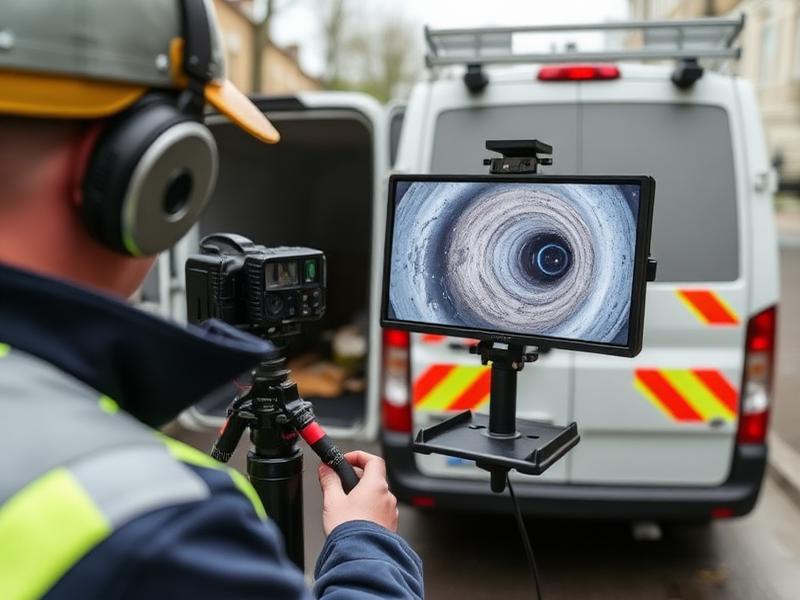
Drain Tracing
Drain tracing uses electronic sonde transmitters and signal receivers to locate and map the route of underground drain pipes. It's essential when you need to know exactly where drains run — for building work, extensions, or when drainage plans aren't available.
Most teams review drain tracing when live project risk needs turning into a clear technical decision with practical next steps.
review Drain Excavation in Ealing and CCTV Drain Survey in Ilford.
Situations where this applies
Teams usually investigate drain tracing when early warning signs start affecting reliability, compliance, or project timelines. This is often the point where decision makers move from observation into scoped technical action.
Common warning signs
The symptoms below are the most common triggers we see before diagnosis and repair planning.
- No drainage plans available for the property
- Planning a building extension or renovation
- Need to locate a drain before excavation work
- Investigating the route of a drain causing problems
- Required for building over sewer applications
What the work typically involves
We insert a sonde (electronic transmitter) into the drainage system via a CCTV camera or push rod. Above ground, we use a signal receiver to trace the pipe's route, marking it on the surface and recording the depth at regular intervals.
Think you might have drain tracing? A professional inspection will confirm the diagnosis.
Practical steps to a reliable outcome
You receive an accurate drainage plan showing pipe routes, depths, and connections overlaid on a property plan. This information is invaluable for architects, builders, and planners, and can prevent costly damage to drains during construction work.
What drives programme and budget
Cost and complexity usually depend on access constraints, total scope, existing condition, and whether related works need to be coordinated in the same programme window.
How we work through the job
We keep delivery structured so scope, sequencing, and sign-off remain clear.
Step 1: Initial assessment
What this step delivers: Root cause and scope are confirmed.
Step 2: Method planning
What this step delivers: Practical repair strategy is agreed.
Step 3: Delivery and verification
What this step delivers: Work is completed and validated.
We provide these services across the UK, including
Get a Free Quote
Contact us for a no-obligation quote or to discuss your project. We'll advise on the best approach and provide clear pricing.
Need to locate hidden drains? Book a professional drain tracing service.
Related Services
Related Topics
Related Drain Guides
Drain Tracing FAQ
What are the signs of drain tracing?
No drainage plans available for the property. Planning a building extension or renovation. Need to locate a drain before excavation work.
How do you diagnose drain tracing?
We insert a sonde (electronic transmitter) into the drainage system via a CCTV camera or push rod. Above ground, we use a signal receiver to trace the pipe's route, marking it on the surface and recor...
How do you fix drain tracing?
You receive an accurate drainage plan showing pipe routes, depths, and connections overlaid on a property plan. This information is invaluable for architects, builders, and planners, and can prevent c...
Need project guidance?
Share your site details and priorities. We will outline a practical scope, likely timeline, and next steps.