
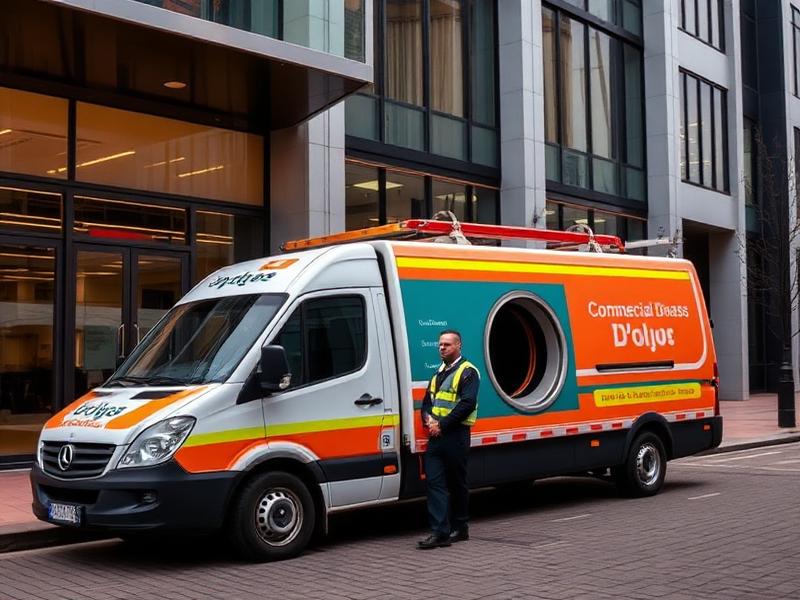
Grease Trap Cleaning
Grease traps are essential for commercial kitchens, separating fats, oils, and grease from wastewater before it enters the drainage system. Without regular cleaning, grease traps overflow, lose effectiveness, and cause blockages, odours, and regulatory non-compliance.
Grease Trap Cleaning usually becomes urgent when recurring symptoms begin affecting programme confidence, compliance, or delivery reliability.
review Drain Jetting in Dartford and Drain Jetting in Oxford.
Situations where this applies
Teams usually investigate grease trap cleaning when early warning signs start affecting reliability, compliance, or project timelines. This is often the point where decision makers move from observation into scoped technical action.
Signs and common situations
The symptoms below are the most common triggers we see before diagnosis and repair planning.
- Grease trap approaching full capacity
- Foul smells coming from the grease trap
- Grease bypassing the trap into the drainage system
- Slow drainage from kitchen fixtures
- Environmental health inspection due
What the work typically involves
We inspect the grease trap, assess its capacity and condition, and check whether it's appropriately sized for your kitchen's output. We also inspect downstream drainage to check for grease that may have bypassed the trap.
Think you might have grease trap cleaning? A professional inspection will confirm the diagnosis.
Practical steps to a reliable outcome
We pump out and clean the grease trap, removing all accumulated FOG. We inspect the baffles and seals, make any necessary repairs, and dispose of the waste in compliance with environmental regulations. We set up a regular schedule based on your kitchen's usage.
What drives programme and budget
Cost and complexity usually depend on access constraints, total scope, existing condition, and whether related works need to be coordinated in the same programme window.
How delivery is structured
We keep delivery structured so scope, sequencing, and sign-off remain clear.
Step 1: Initial assessment
What this step delivers: Root cause and scope are confirmed.
Step 2: Method planning
What this step delivers: Practical repair strategy is agreed.
Step 3: Delivery and verification
What this step delivers: Work is completed and validated.
We provide these services across the UK, including
Get a Free Quote
Contact us for a no-obligation quote or to discuss your project. We'll advise on the best approach and provide clear pricing.
Due a grease trap clean? Book a service and stay compliant.
Related Services
Related Topics
Related Drain Guides
Grease Trap Cleaning FAQ
What are the signs of grease trap cleaning?
Grease trap approaching full capacity. Foul smells coming from the grease trap. Grease bypassing the trap into the drainage system.
How do you diagnose grease trap cleaning?
We inspect the grease trap, assess its capacity and condition, and check whether it's appropriately sized for your kitchen's output. We also inspect downstream drainage to check for grease that may ha...
How do you fix grease trap cleaning?
We pump out and clean the grease trap, removing all accumulated FOG. We inspect the baffles and seals, make any necessary repairs, and dispose of the waste in compliance with environmental regulations...
Need project guidance?
Share your site details and priorities. We will outline a practical scope, likely timeline, and next steps.